Find out what OHIP covers for senior home care in Ontario and what services aren’t included. Learn how private home
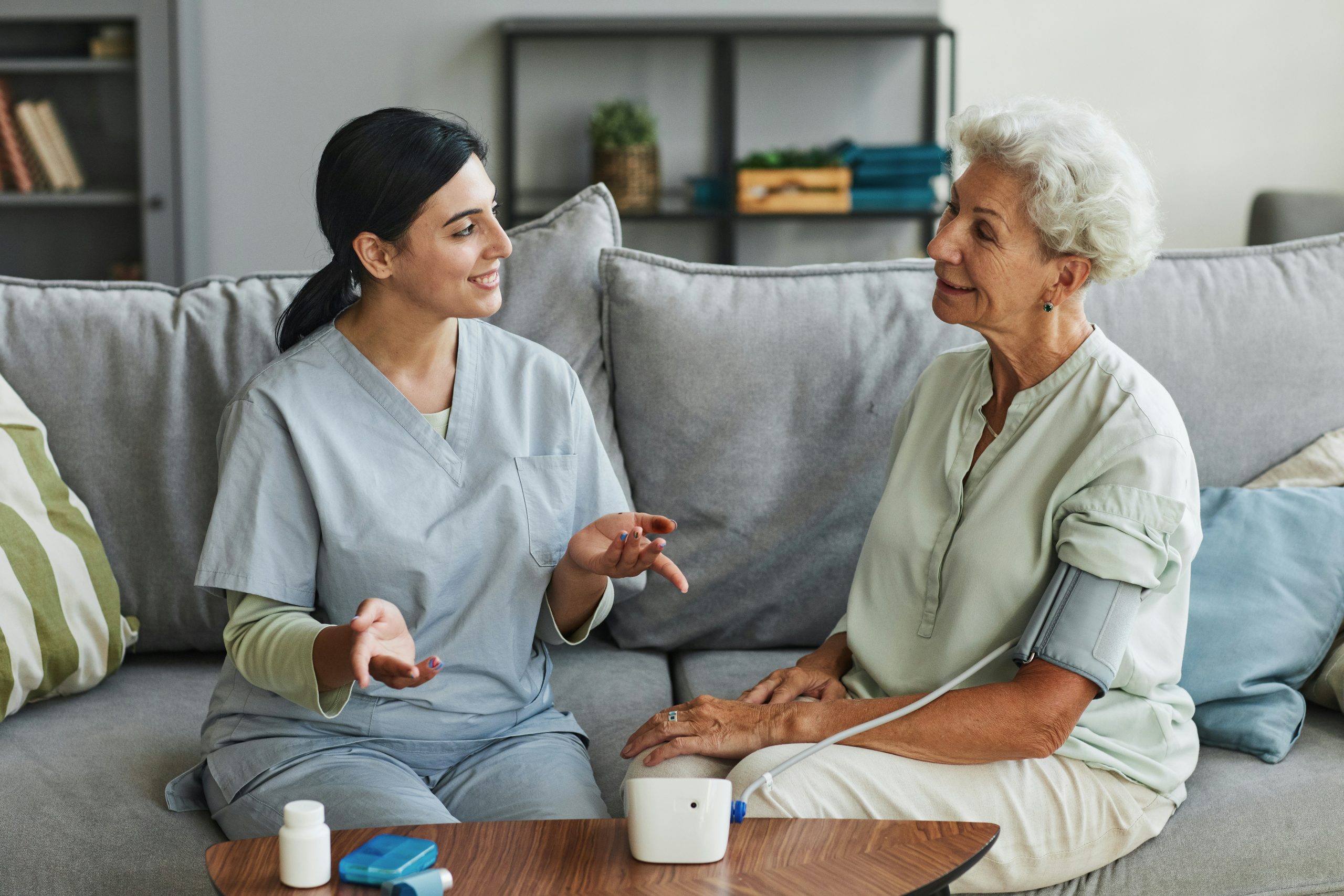
For many senior citizens in Ontario and their families, the primary goal is to age with dignity and independence in the comfort of their own homes.
Navigating Ontario’s healthcare system to make this a reality often leads to a critical question: Does the Ontario Health Insurance Plan (OHIP) cover home care?
The short answer is yes, but with important qualifications. The Ontario Health Insurance Plan funds a range of specific, medically necessary home care services. However, it does not cover all the support a senior may need to thrive at home. Understanding this distinction is the first step to building a comprehensive care plan that supports a high quality of life.
This guide explains what OHIP covers, how Ontario Health at Home works, what services are not included, and how private home care fills the gaps for seniors and families.
To access these services, a care coordinator or case manager from your local HCCSS will conduct a detailed assessment of your health needs. This assessment determines your eligibility and the type and amount of services you can receive. These services are then delivered by various contracted service provider organizations.
Common OHIP-funded services include:
It’s important to remember that these services are intended to meet specific health needs, not to provide 24/7 support or companionship. This is where families often find gaps between what the public system provides and what is needed for true comfort and security at home.
While OHIP covers clinical or safety-related care, it doesn’t extend to all aspects of daily living. Seniors and caregivers often discover that many practical supports fall outside the program’s scope.
Typical non-funded or partially funded needs include:
In many cases, these services must be paid for privately unless deemed medically necessary. This gap leaves families searching for reliable, flexible options.
Publicly funded home care provides an essential medical foundation, but it often has limitations in hours, scope, and scheduling flexibility. This is where private home care plays a vital role. It doesn’t replace OHIP-funded services; it enhances and personalizes them. By layering private services on top of the public foundation, families can create a complete circle of care that addresses medical needs, personal comfort, and emotional well-being.
This blended approach allows seniors to receive specialized medical attention through the public system while benefiting from the consistency, flexibility, and broader scope of support offered by private providers. Funding for these services can come from personal savings, family contributions, or coverage through private insurance plans, such as extended health benefits.
Unlike the public system where caregivers are assigned, private care allows you to select a caregiver who you trust and who is a good fit for your loved one’s personality and needs, fostering a strong and consistent relationship.
Private services can be booked exactly when you need them. Days, evenings, overnights, weekends, or even on short notice. This flexibility is crucial for adapting to changing needs and providing continuous peace of mind.
Private care excels at providing services that significantly impact quality of life but fall outside of OHIP’s scope. This includes companionship, meal preparation, light housekeeping, grocery shopping, and accompaniment to appointments.
When a need arises, you can arrange private care quickly, often within hours. This avoids the potential delays and waiting lists sometimes associated with accessing publicly funded programs, ensuring support is in place without interruption.
This integrated approach ensures seniors receive both the essential medical oversight covered by OHIP and the consistent, personalized support that makes aging in place a safe, comfortable, and fulfilling experience.
MF Homecare is an independent platform that lets families book caregivers in their area on demand, without the premiums of traditional care agencies.


Understanding the key differences between the two systems is crucial for making informed decisions. Here’s a breakdown of how publicly funded care and private home care compare:
| Category | OHIP-Funded Home Care (via Ontario Health at Home) | Private Home Care (e.g., MF Homecare) |
|---|---|---|
|
Eligibility |
Based on a formal assessment by a care coordinator to determine medical necessity. |
Available to any senior or family who wishes to arrange and pay for services. |
|
Cost |
Covered by the government for approved services and hours. |
Paid directly by the client or their family at a transparent hourly rate. May be covered by Private Insurance. |
|
Services Offered |
Focused on medical needs:
nursing care, therapy (occupational therapy, physiotherapy, speech-language pathology), and limited personal support. |
A broad range of home care services: personal care, companionship, errands, homemaking, respite, and specialized dementia care. |
|
Hours & Scheduling |
Limited visits (often brief and a few times per week) with a schedule managed by the coordinating agency. |
Highly flexible. Can be arranged hourly, for extended shifts, or for overnight and 24/7 care. The family directs the schedule. |
|
Caregiver Choice |
A caregiver is assigned by the service provider organizations. Consistency can vary. |
Families can browse profiles, conduct interviews, and choose a caregiver they feel is the best match. |
|
Primary Goal |
To provide essential health and safety services to support recovery and manage medical conditions at home. |
To support overall comfort, independence, safety, and quality of life, addressing both medical and non-medical needs. |
At MF Homecare, we understand that navigating the care landscape can be overwhelming. We designed our platform to bridge the gap between what’s publicly funded and what’s truly needed for a senior to thrive at home. We empower families by putting them in control of their home care plan.
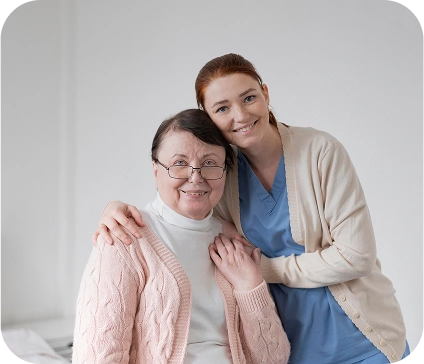
Our unique platform helps families overcome the common challenges of the public system:
The result is a personalized, reliable, and affordable care plan that complements any publicly funded services your loved one receives, keeping them safe, happy, and comfortable in the place they love most.
So, does OHIP cover home care for seniors in Ontario? The answer is a qualified yes. The Ontario Health Insurance Plan provides an invaluable foundation of medically necessary services, including nursing care, personal support, and therapies, all coordinated through Ontario Health at Home and its local Home and Community Care Support Services branches.
However, to create a truly comprehensive and life-enhancing care plan, families often turn to private home care to fill in the gaps. Private services offer flexibility, choice, and a broad range of support, from companionship to 24/7 supervision that enhances a senior’s quality of life and provides invaluable peace of mind for their families.
As you plan for your loved one’s needs, here are your key next steps:
By combining the strengths of both the public and private systems, you can build a robust support network that empowers your loved one to age safely, comfortably, and with dignity in their own home.
Home and Community Care. Ontario Ministry of Health
Home Care Services. Ontario Health at Home – Home Care Services.
Getting Started with Home Care. Ontario Health at Home – Home Care Services.
Guide to Programs and Services for Seniors. Government of Ontario
Home Care Legal Information. Advocacy Centre for the Elderly
Home and Community Care Services Act. Ontario Regulation 187/22
Overview of Home Care Services. Home Care Ontario