

Navigating the landscape of senior care can be a challenging journey for many families. When an elderly person needs support to continue living safely and comfortably in their own home, the first question that often arises is financial: “How much does it cost?” In Ontario, understanding the expense of companion care is the first step toward making an informed decision that balances quality of life with a sustainable budget.
This guide provides a comprehensive breakdown of home care costs in Ontario. We will explore the typical hourly rates for various Home care services, delve into the factors that influence these prices, and uncover the full range of payment options, from government funding and tax credits to private insurance. Our goal is to empower family members with the knowledge to create effective care plans that meet the unique health care needs of their loved ones.
Companion care is a form of non-medical in-home care designed to support seniors’ well-being and independence. Unlike nursing care, which involves medical tasks, companion care focuses on providing social interaction, safety supervision, and assistance with daily activities. This can include anything from preparing meals and light housekeeping to accompanying a client to appointments and engaging in hobbies. Companion care usually does not involve medical tasks. It focuses on social support, safety, and help with daily activities. This care helps seniors live independently at home.
The demand for these services is growing as more families recognize the profound impact of social connection on an elderly person’s mental and physical health. By providing consistent companionship and support, this type of care helps prevent the isolation and loneliness that can lead to a decline in health.
However, since companion care is non-medical and usually paid for privately, families often compare different care options to understand what is available. This guide will demystify the associated costs, helping you navigate your options and find the best solution for your family.
The cost of home care in Ontario is not a single, fixed number. It varies significantly based on the level of support required. Most families in Ontario pay between $28 and $45 per hour for companion care. The cost depends on whether they hire privately, through an agency, or use a platform like MF Homecare.
Here is a detailed breakdown of what you can expect to pay for different types of Home care services:
This is the most basic level of care. Services focus on companionship, meal preparation, light housekeeping, and errands. According to industry data, the average hourly rate in Ontario for this type of Home Support is typically $25 to $35 per hour.
When care needs include hands-on assistance with activities of daily living, such as bathing, dressing, grooming, and mobility support, a Personal Support Worker (PSW) is required. Personal Support Workers are certified professionals, and their rates reflect their additional training, generally ranging from $28 to $40 per hour.
For clients with complex medical needs, such as medication management, wound care, or injections, nursing care is essential. Nursing services are provided by a Registered Practical Nurse (RPN) or a Registered Nurse (RN). Rates for an RPN typically range from $45 to $65 per hour, while an RN’s services can cost $65 to $90+ per hour.
A comprehensive home care plan may also include therapeutic services to improve a client’s quality of life. These services are usually billed per visit rather than per hour:

Beyond the type of service, several other factors will determine your final costs for Private home care:
The total number of hours per week is the largest cost driver. A few hours of weekly Respite care will be far less expensive than daily support or 24/7 Care. Many home care companies offer rate reductions for clients who book a higher volume of hours.
Expect to pay a premium for services provided on evenings, weekends, and statutory holidays. Overnight care is also priced differently, often as a flat rate rather than hourly.
The cost of living varies across Ontario, and so do caregiver wages. Rates in major urban centres like Toronto are generally higher than in smaller cities like London, ON, or rural areas.
Specialized care for conditions like dementia or Alzheimer’s (Memory Care) or post-operative support requires caregivers with advanced training and experience, which commands a higher hourly rate.
Agencies cost more because they handle recruitment, insurance, and scheduling. Independent caregivers cost less but offer fewer protections. Agency fees cover administrative overhead, including comprehensive vetting, liability insurance, backup caregiver arrangements, and payroll management. While hiring privately may seem cheaper initially, families assume all employer responsibilities, including sourcing, screening, and managing payroll and taxes. Newer services like hybrid platforms offer caregivers without the usual 20-30% agency fees, providing a middle ground.
When budgeting for care, it’s important to ask private home care agencies about any costs beyond the hourly rate. Some potential additional fees include:
Some agencies charge a one-time fee to conduct an initial in-home assessment and create a home care plan.
A recurring fee may be charged to cover administrative overhead.
In some cases, you may be billed for the caregiver’s travel time or mileage, especially in rural areas.
Be sure to clarify whether Harmonized Sales Tax (HST) is included in the quoted rates.
While many families rely on out-of-pocket payments, there are several programs and strategies to help manage the cost of in-home care.
The Ontario government provides a limited amount of publicly funded home care through Ontario Health atHome, which operates through local Home and Community Care Support Services (formerly LHINs). These services are typically focused on post-hospital recovery or for those with assessed medical needs. While they may cover some personal support, they generally do not cover purely companion care services. The government does not fund companion care like it does medical or personal care. However, tax credits and benefits can help reduce the cost.
Many families utilize private insurance to cover costs. Long-term care insurance policies are specifically designed for this purpose. It is also worth reviewing extended health benefit plans, as some may cover services provided by certain professionals, like a Registered Nurse or occupational therapist. Contact your private insurance provider to understand the specifics of your coverage.
The Canada Revenue Agency (CRA) offers several credits that can significantly offset care expenses.
Depending on financial circumstances, programs like Ontario Works or the Ontario Disability Support Program (ODSP) may offer assistance. The Assistive Devices Program can also help by funding equipment that may reduce the need for hands-on care.
These supports help families lower their care costs. They also help maintain good quality care.
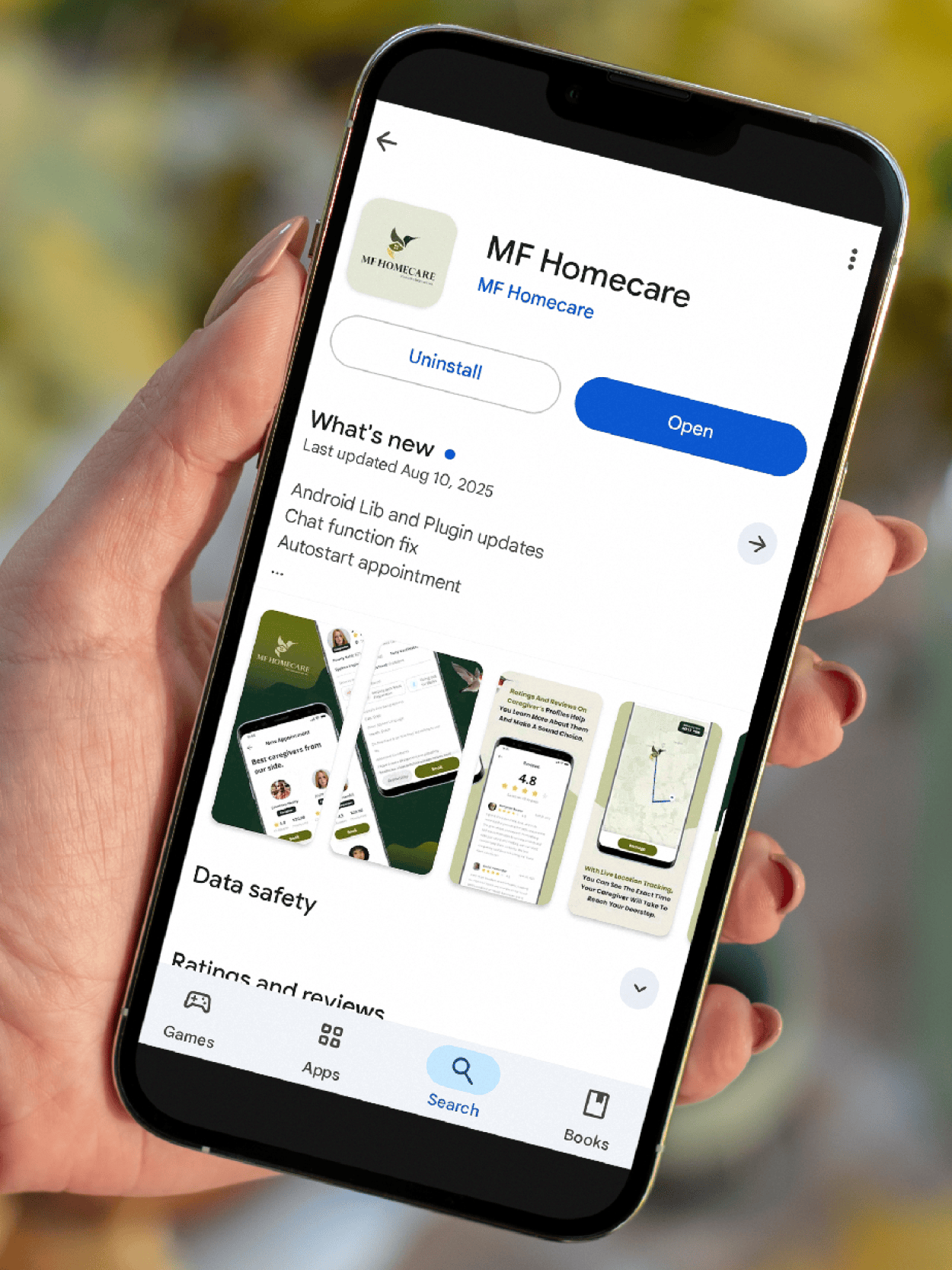
MF Homecare is an independent platform that lets families book short-term caregivers in their area, without the premiums of traditional care agencies.


When evaluating costs, it’s useful to compare in-home care with the alternative: Long-term care. Accommodation costs in Long-term care homes are set by the Ministry of Long-Term Care and are standardized across Ontario. As of 2023, monthly rates were:

For a senior who only requires 15-20 hours of companion care per week, staying at home can be significantly more cost-effective than moving into a nursing home. However, as care needs intensify and approach 24/7 Care, the cost of Private home care can exceed that of a Long-term care facility. The decision often comes down to a combination of financial feasibility, personal preference, and the level of medical support required.
Families can use practical strategies to make their care budget last longer. They should start by clearly assessing their needs. They need to decide which tasks need a caregiver and which family members can help.
Developing a detailed care plan is the most effective way to manage costs. This process involves:
At MF Homecare, we believe that meaningful companionship is essential to aging well at home. We help families:
Through our app, care can be arranged in as little as 3 hours with the ability to plan weeks or months ahead.
Invite people you trust or select from vetted caregivers on the platform.
No heavy agency markups. Care is often up to 30-40% more affordable.
Chat with caregivers, manage bookings, and see real-time updates.
Companion care should be accessible, reliable, and personalized. MF Homecare makes that possible.
Understanding how much companion care costs in Ontario requires looking beyond a simple hourly rate. The final expense is a blend of the type of care needed, the number of hours, your location, and the provider you choose. By breaking down these direct costs, exploring all funding avenues, from Ontario Health atHome to CRA tax credits, and comparing them to alternatives like Long-term care homes, families can make confident and sustainable choices.
The most crucial step is to start with a thorough assessment of your loved one’s health care needs. Create a personalized care plan that prioritizes their safety, happiness, and independence. By conducting diligent research and consulting with professionals like a care coordinator, you can find a high-quality, affordable solution that provides peace of mind and enhances the life of the elderly person you cherish.
Seniors’ Care at Home Tax Credit. Government of Ontario
Medical Expense Tax Credit. Government of Canada
Disability Tax Credit. Government of Canada
Private Home Care Overview. Home Care Ontario