
Lorem ipsum dolor sit amet, consectetur adipiscing elit. Vivamus placerat, neque nec consequat finibus, turpis orci eleifend neque.

Caring for a family member is one of the most significant responsibilities one can undertake. Whether you are supporting an aging parent, a spouse with a chronic health condition, or a child with special needs, the role of a family caregiver is constant. Respite care provides a crucial pause, offering short-term relief that allows caregivers to rest, recharge, and attend to their own well-being. This can range from a few hours of in-home care to a short stay in a residential facility.
The need for these respite services is undeniable. They not only prevent caregiver burnout but also improve the quality of care the family member receives, as social connection greatly affects an elderly person’s mental and physical health. The global respite care market reflects this demand, with its value estimated at USD 352.9 Mn in 2025 and expected to reach USD 527.1 Mn by 2032. However, navigating the cost can be a major hurdle. Funding for respite care is not a one-size-fits-all solution; it depends on factors like your location, the recipient’s health needs, and your financial situation. This guide will serve as your roadmap, exploring who pays for respite care and how you can access the support you deserve.
While the term “private” often suggests out-of-pocket payment, it also encompasses a wide array of services that can be funded through various means. Families often piece together a support plan by leveraging different financial resources to access the right care provider for their unique situation. These services are flexible and can be tailored to specific care needs, from non-medical companion care to more intensive personal support. Understanding the full spectrum of private options is the first step in building a sustainable care plan.
When an elderly person needs help to live safely and comfortably at home, families often ask about the cost first. They want to know, “How much does it cost?” The most straightforward way to pay for respite care services is directly out of pocket. This “private pay” model offers the greatest flexibility and control, allowing families to choose their preferred provider, schedule services as needed, and customize the type of support.
The cost of home care varies significantly by location and service type. According to a 2025 analysis, the nationwide median cost of home care is $33 per hour, though rates can range from $24 to $43 per hour depending on the state. It’s important to distinguish between different levels of care. For example, nursing care involves medical tasks performed by a licensed professional. In contrast, companion care focuses on social interaction, safety supervision, and help with daily activities. Hourly rates for home care often depend on this level of support; services like personal support (assistance with bathing, dressing, and mobility) typically cost more than basic companionship.
Families can make confident and lasting choices by breaking down these direct costs. They should explore all funding options, such as provincial programs like Ontario Health atHome or federal tax credits, and compare these to alternatives like long-term care homes. The decision often depends on financial feasibility, personal preference, and the level of medical support needed.
Many families rely on government-funded programs to help cover the costs of home care and respite services. These programs are a cornerstone of support but come with specific eligibility criteria and application processes. We will look at the usual hourly rates for different home care services. We will also examine the factors that affect these prices. Finally, we will explain all payment options, including government funding, tax credits, and private insurance.
Ontario provides a variety of programs designed to help families access respite care through publicly funded services. These supports are determined through an assessment process, and the type and frequency of care provided will depend on the needs of the individual receiving care.
Publicly funded respite care may include in-home support, adult day programs, long-term care short-stay respite, and nursing or clinical support for medically complex needs. While these services offer essential relief for caregivers, availability and hours can be limited, and many families supplement them with private care.
Ontario Health atHome gives government-funded respite care. After an assessment, a care coordinator determines the type, frequency, and duration of respite support.
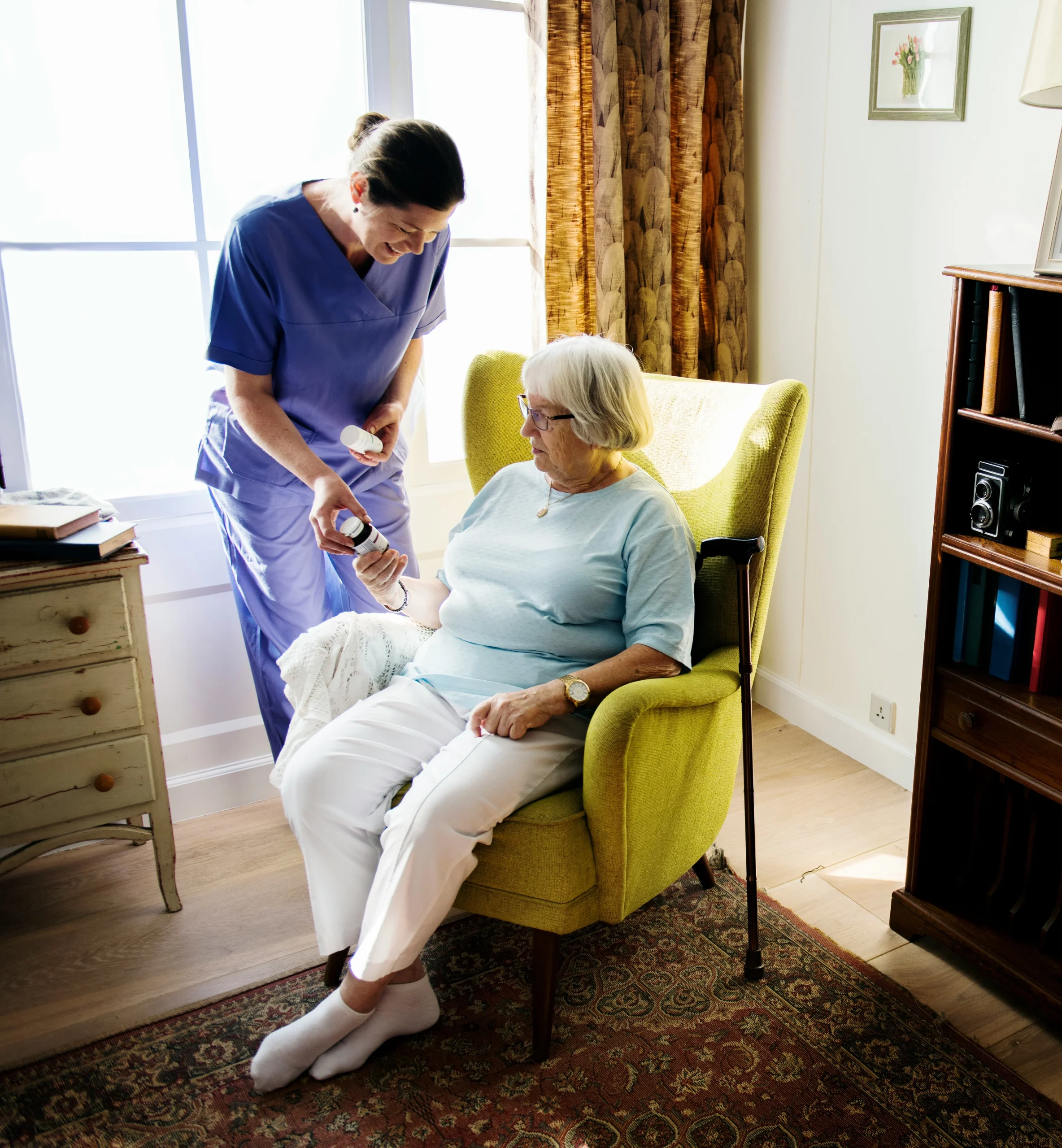
Publicly funded respite care may include:
A Personal Support Worker (PSW) visits for short, scheduled periods to assist with personal care, mobility, or safety needs. These visits are typically limited and occur a few times per week.
Supervised daytime programming offering social engagement, meals, activities, and personal support, giving caregivers several hours of relief.
Families can request up to 60 days per calendar year of short-stay respite in a long-term care home when space is available. These stays are partially funded by the government, but accommodation co-payments apply.
Some nursing care or clinical support may be provided at home for time-limited situations (e.g., post-hospital recovery).
Public respite care is intended to provide foundational relief for caregivers, but spots are limited, and waitlists, particularly for adult day programs and short-stay long-term care homes, are common.
Publicly funded respite services in Ontario are helpful, but they often come with limitations, such as restricted hours, waitlists, or specific eligibility requirements. As a result, many families turn to private home-based respite care to supplement the support they receive through the public system. Private services offer greater flexibility, more choice in scheduling, and the ability to select caregivers who align with a loved one’s needs and preferences. This combination allows families to create a more reliable, consistent care plan that supports both the caregiver and the individual receiving care.
Private respite care is paid directly by families and can include:
Only the portion of respite care delivered through government-funded programs is free or subsidized. Any additional or extended respite services are paid privately. Private respite care offers control, consistency, and convenience, making it possible for caregivers to rest confidently knowing their loved one is supported.
Ontario and the federal government offer tax credits and benefits that help reduce respite care costs.
These credits do not typically cover the full cost but can help reduce financial pressure for families.
| Category | Government-Funded Respite (Ontario Health atHome) | Private Respite Care (MF Homecare) |
|---|---|---|
|
Eligibility |
Nullam a diamiBased on care-coordinator assessment dsapien |
Available to any family; no assessment required |
|
Cost |
Free or subsidized for approved services; some programs have small daily fees |
Transparent hourly rates; pay only for what you need |
|
Types of Support |
Short PSW visits, adult day programs, short-stay LTC respite |
Personal care, companionship, homemaking, overnight care, holidays |
|
Hours Provided |
Limited, often a few hours/week; dependent on availability |
Flexible: hourly, extended, overnight, last-minute bookings |
|
Scheduling |
Set by Ontario Health atHome; limited flexibility |
Family-directed: choose time, duration, and caregiver |
|
Waitlists |
Common for adult day programs & LTC respite stays |
No waitlists; book in as little as 90 minutes |
|
Caregiver Choice |
Care providers rotate |
You choose caregivers you trust and rebook them |
This combined approach helps families create a reliable, sustainable support plan.
MF Homecare is an independent platform that lets families book short-term caregivers in their area, without the premiums of traditional care agencies.


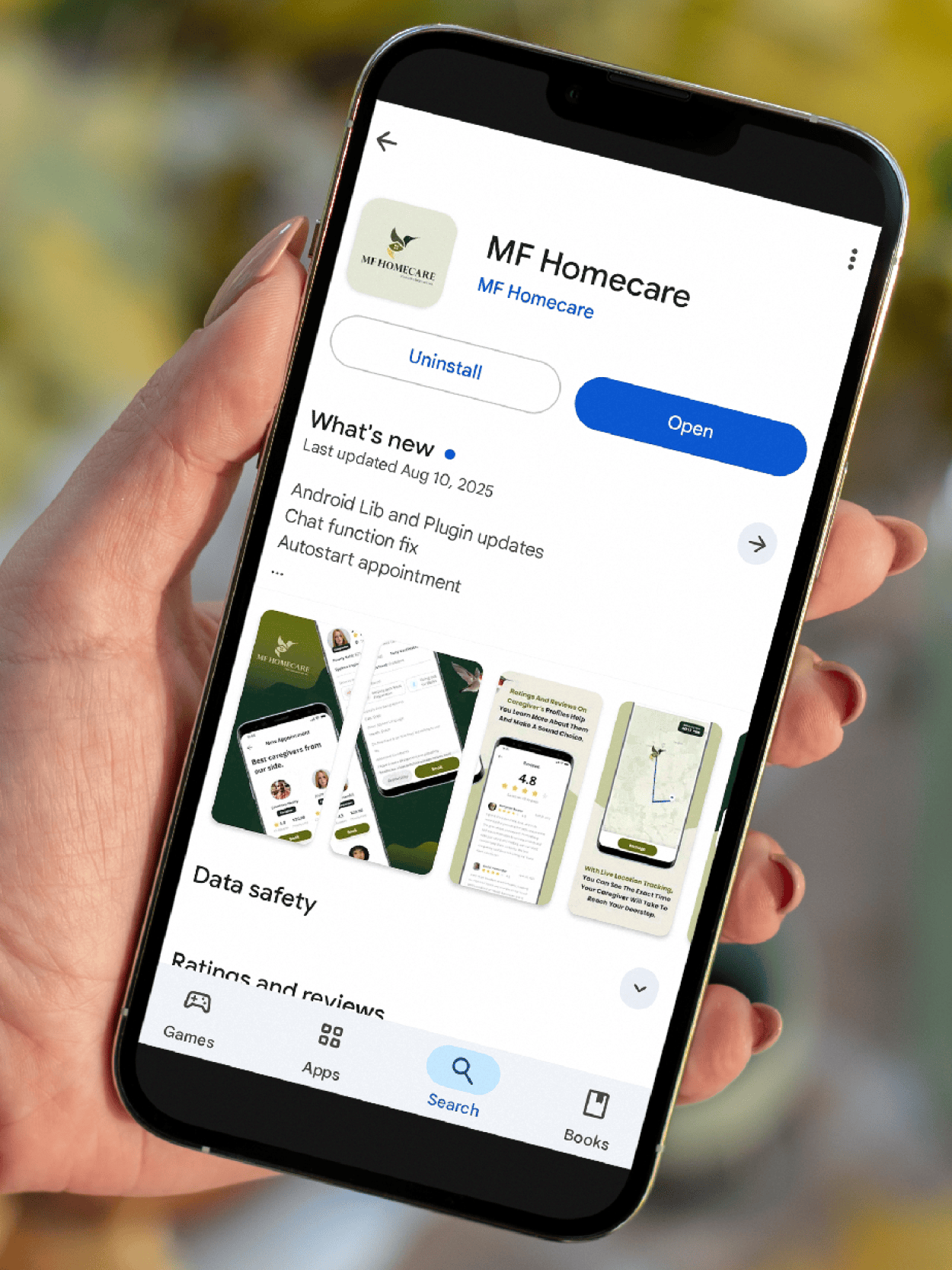
MF Homecare offers flexible respite care when you need it. Our platform is designed to make respite care accessible, transparent, and personalized.
MF Homecare gives families the flexibility to rest, recharge, and maintain balance, while ensuring loved ones remain safe, supported, and comfortable at home.
Understanding how respite care is funded is an important part of managing the realities of caregiving. Ontario’s public programs give good support, but they often do not cover all daily family needs.
When families combine public services with flexible private respite options like MF Homecare, they build a more reliable and complete support system — one that prioritizes safety, comfort, and peace of mind.
Home and Community Care. Ontario Ministry of Health
Home Care Services. Ontario Health at Home
Respite Programs & Services. Government of Ontario
Overview of Home & Respite Support. Home Care Ontario
Home Care Legal Information. Advocacy Centre for the Elderly
Home and Community Care Services Act. Ontario Regulation 187/22
Trends, Competitor Dynamics, and Opportunities 2025-2033. Respite Care for the Elderly Insightful Analysis